
 简体中文
简体中文 English
 русский
 বাংলা
বাংলা Việt Nam
 Melayu
 Français
 dansk
dansk slovenščina
 Polski
 suomi
suomi Deutsch
 Lietuvių
 Português
 Nederlands
 日本語
日本語 한국어
한국어 Español
 Türkçe
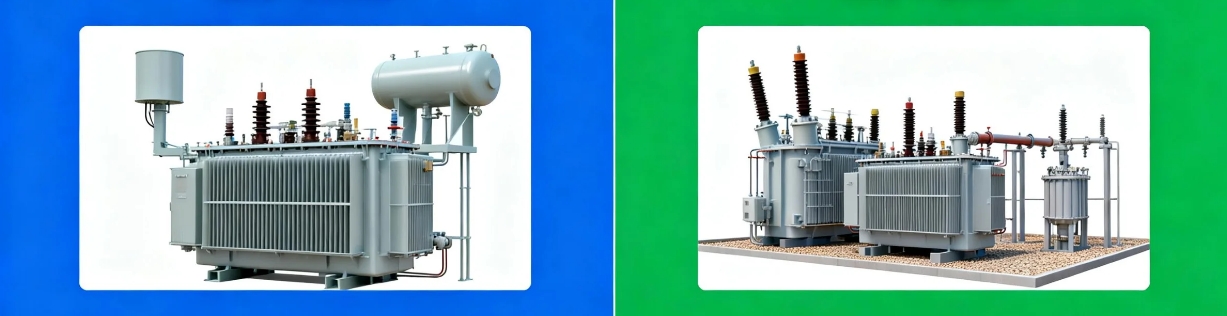
As global power infrastructure undergoes a massive modernization wave, the oil-immersed transformer remains the backbone of electrical transmission and distribution. Despite the rise of dry-type alternatives, liquid-filled units continue to dominate high-voltage and high-capacity scenarios due to their superior dielectric strength, thermal efficiency, and cost-effectiveness.
1. Core Application Scenarios
Utility-Scale Power Grids
The primary demand for oil-immersed transformers originates from utility companies. Whether stepping up voltage at generation sites (renewable or thermal) or stepping down at substations, these units handle voltages ranging from 11kV to over 765kV. Their ability to withstand overload conditions and harsh outdoor environments makes them irreplaceable for grid stability.
Industrial Heavy Loads
In sectors such as steel manufacturing, petrochemicals, and mining, facilities require robust power support. Oil-immersed transformers are preferred for indoor/outdoor industrial plants where high short-circuit withstand capability and longevity under continuous operation are non-negotiable.
Renewable Energy Integration
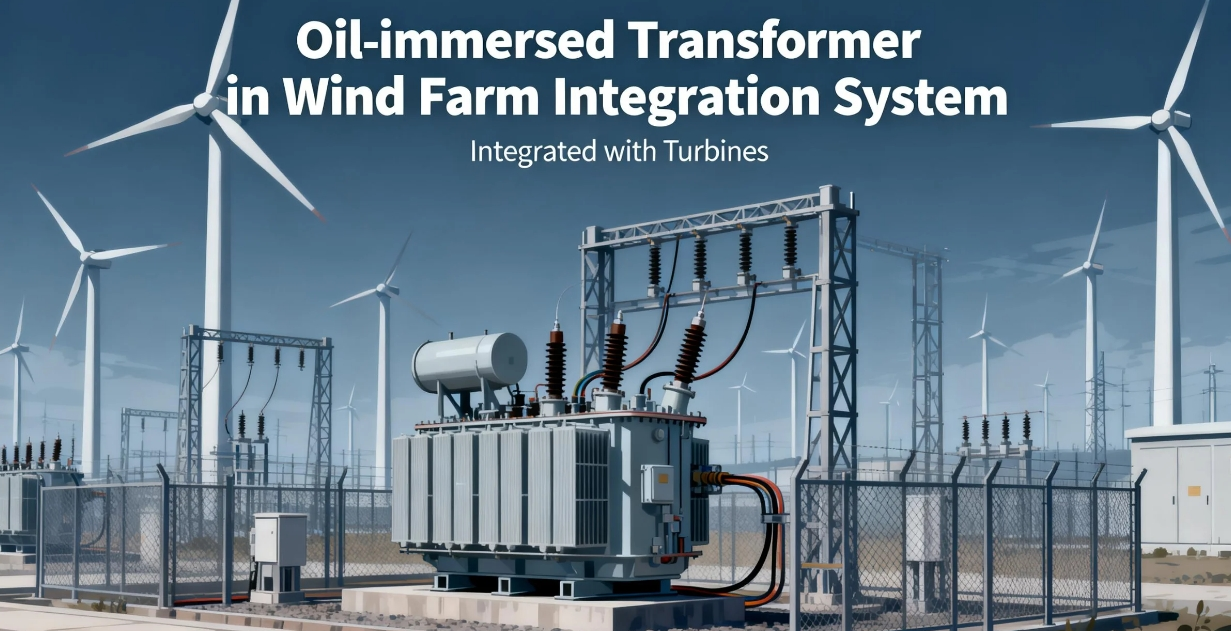
With the rapid expansion of solar and wind farms, there is a surging need for compact, skid-mounted oil-immersed transformers. These are specifically designed to handle fluctuating loads and are often integrated directly into inverter stations, bridging the gap between renewable generation and the main grid.
2. Technological Evolution Driving Market Growth
The industry is shifting from traditional mineral oil towards natural ester (vegetable oil) fluids. This transition addresses two critical market demands: environmental compliance and fire safety. Vegetable oil-based transformers offer higher flash points (over 300°C) and are biodegradable, significantly reducing environmental risks in ecologically sensitive areas like hydropower stations or urban underground substations.
Additionally, the proliferation of smart grid technologies has given rise to "smart" oil-immersed transformers. Embedded sensors now monitor dissolved gas analysis (DGA), winding temperature, and partial discharge in real time, enabling predictive maintenance and reducing unplanned downtime—a key selling point for utility procurement teams.
3. Regional Market Dynamics
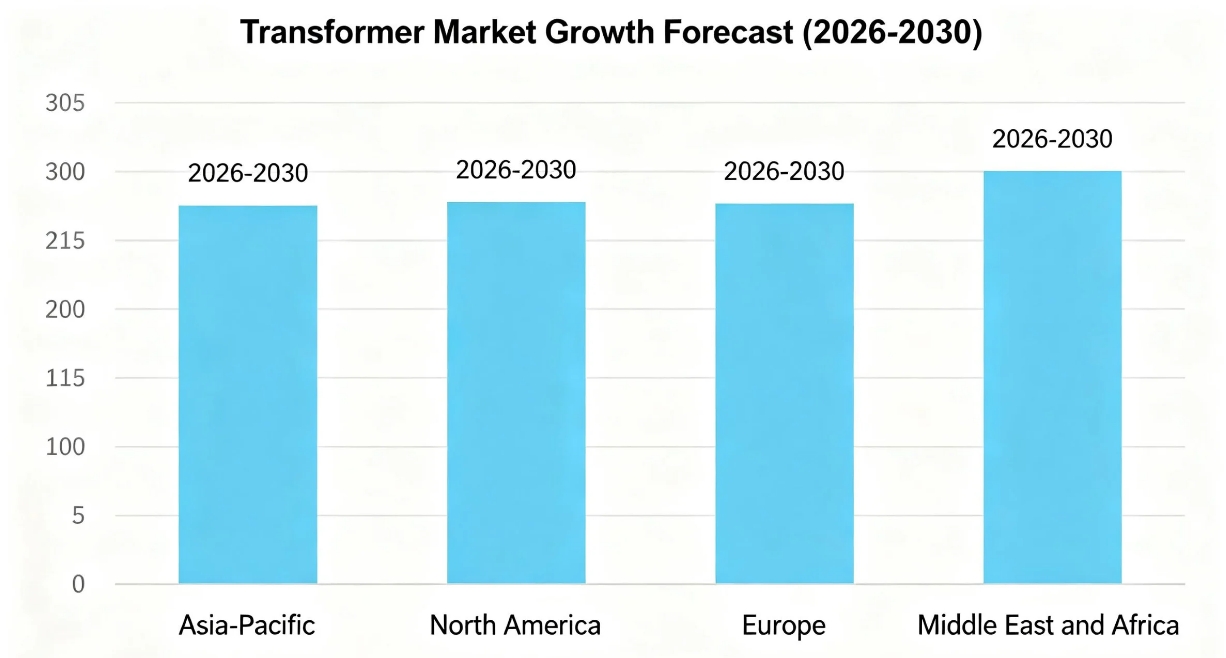
Asia-Pacific remains the largest market, driven by rapid urbanization and rural electrification programs in countries like India, Indonesia, and Vietnam. Meanwhile, North America and Europe are witnessing a replacement cycle. According to recent industry data, over 70% of the transformer fleet in the U.S. is over 25 years old, creating sustained demand for retrofitting and upgrades to meet modern efficiency standards (e.g., DOE 2016/2019 efficiency regulations).
4. Future Outlook
Looking ahead to 2026–2030, the oil-immersed transformer market is projected to grow at a CAGR of approximately 6.2%. Key drivers include:
Grid expansion for EV charging networks: High-power fast-charging stations require dedicated distribution transformers.
Offshore wind development: High-capacity oil-immersed units are critical for collector platforms.
Energy efficiency mandates: Amorphous metal cores are increasingly being adopted to reduce no-load losses, aligning with global net-zero targets.
Conclusion
For manufacturers and exporters, the market is no longer merely about supplying standard units. Success lies in offering customized, eco-friendly, and digitally monitored solutions. As the energy transition accelerates, the oil-immersed transformer—often perceived as a mature technology—is undergoing a significant renaissance, proving its resilience and adaptability in a rapidly evolving power landscape.