
 简体中文
简体中文 English
 русский
 বাংলা
বাংলা Việt Nam
 Melayu
 Français
 dansk
dansk slovenščina
 Polski
 suomi
suomi Deutsch
 Lietuvių
 Português
 Nederlands
 日本語
日本語 한국어
한국어 Español
 Türkçe
Five years ago, the amorphous alloy transformer was hailed as a game-changer in power distribution. Promising no-load losses up to 70% lower than conventional grain-oriented silicon steel units, it earned the title of “energy-saving dark horse.” Utilities and green building projects rushed to adopt the technology. Fast forward to today, and market enthusiasm has visibly dimmed. What went wrong? And does the technology have a future?
1. The Initial Hype: Why Amorphous Metal Was a Star
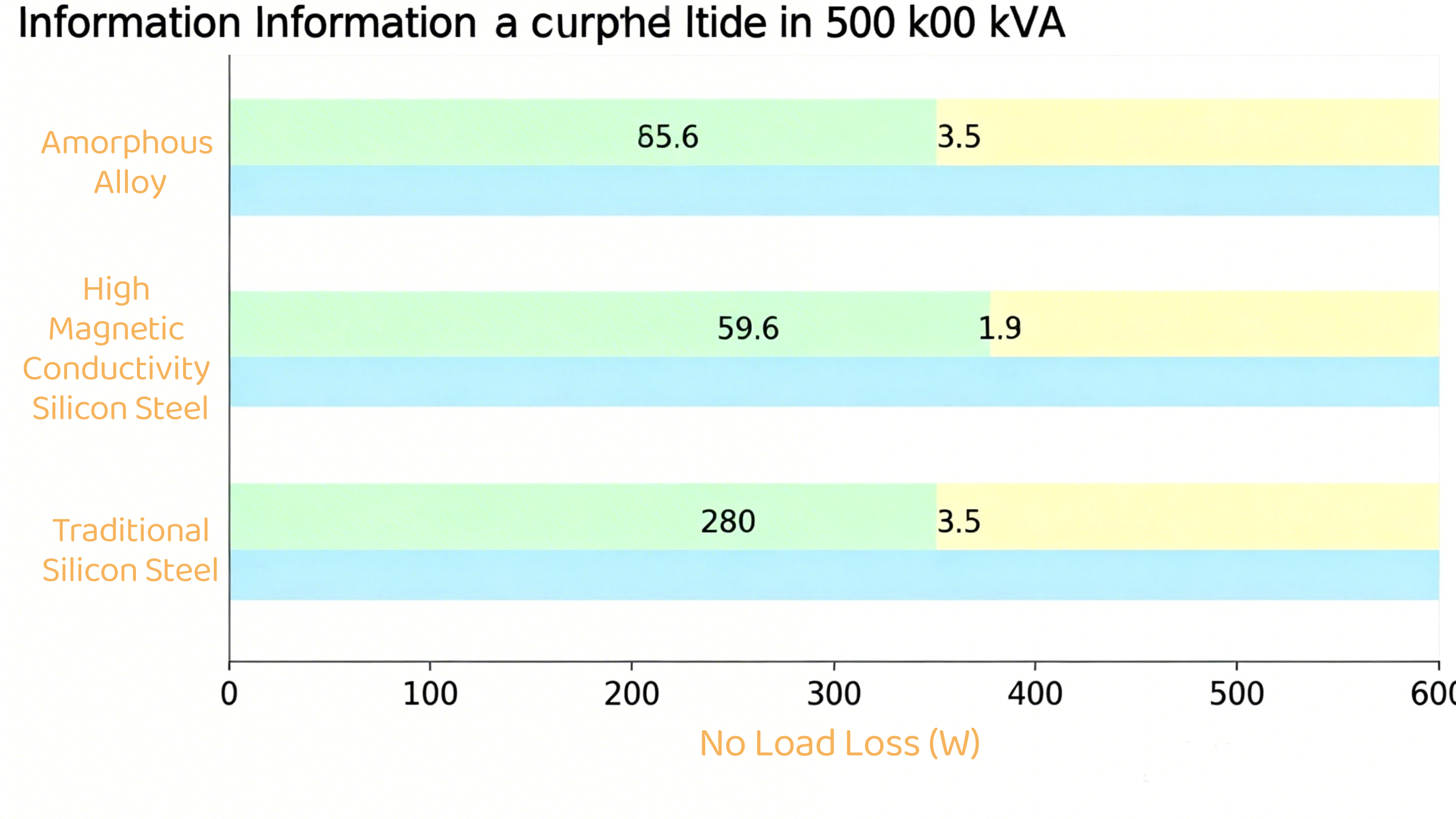
Amorphous alloy (also called metallic glass) is produced by rapid solidification, creating a non-crystalline atomic structure. This unique arrangement eliminates grain boundaries, dramatically reducing hysteresis losses. For distribution transformers in the 50 kVA to 2.5 MVA range, no-load losses dropped to as low as 15–20% of conventional designs.
During the 2015–2020 period, government-mandated efficiency programs (such as China’s GB 20052-2020 and the US DOE’s 2016 efficiency standards) created a fertile ground for amorphous transformers. They became the default choice for rural electrification, solar farms, and utility rebate programs.
2. The Sudden Slowdown: Five Years of “Market Cooling” (2021–2026)
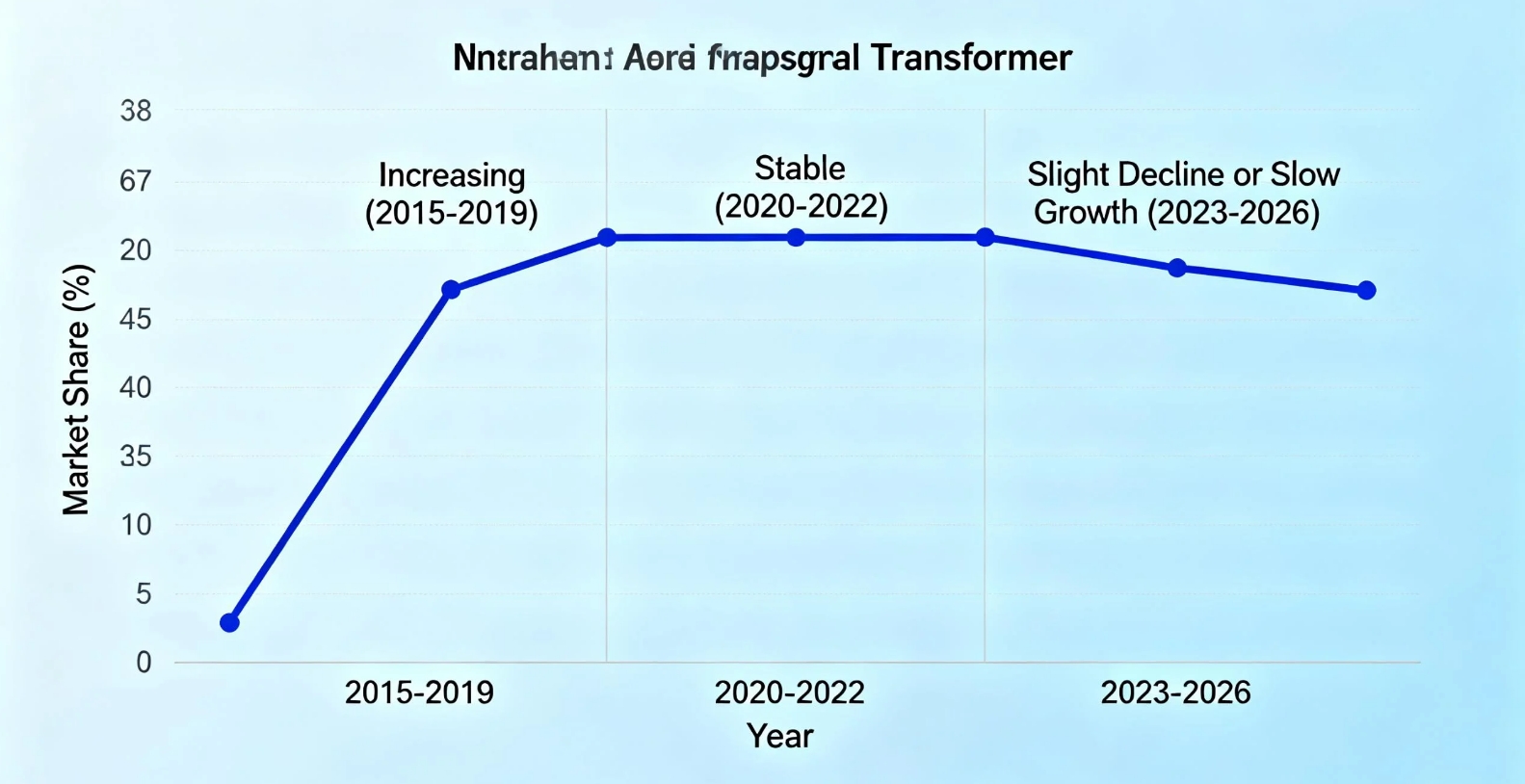
Despite impressive loss numbers, adoption rates plateaued and even declined in many regions over the past five years. Four primary factors drove this reversal:
a) Higher First Cost with Longer Payback
Amorphous alloy core materials cost roughly 30–50% more than high-grade silicon steel. While the energy savings are real, the payback period stretches beyond 8–12 years in regions with low industrial electricity tariffs. Many commercial operators prioritized lower upfront capital expenditure over long-term efficiency gains.
b) Noise and Vibration Issues
Amorphous alloy exhibits higher magnetostriction compared to oriented silicon steel. The result? Operating noise levels that can exceed 55–60 dB(A) – problematic for residential areas, hospitals, and urban substations where noise ordinances are tightening. Adding sound enclosures further erodes the cost advantage.
c) Poor Short-Circuit Withstand Capability
The brittle nature of amorphous metal makes it sensitive to mechanical stress. Under through-fault short-circuit conditions, the core can develop micro-cracks, leading to increased losses or catastrophic failure. Field reports of premature failures made utility engineers cautious, especially in grids with frequent fault events.
d) Competition from Advanced Silicon Steel and 3D Wound Cores
Grain-oriented silicon steel has continued to improve. High-permeability grades like 085 or 075 achieve no-load losses approaching amorphous levels without the associated drawbacks. Meanwhile, the three-dimensional wound core transformers (covered in our previous article) offer low noise and robust short-circuit strength, directly competing in the same distribution segment.
3. Where Amorphous Transformers Still Make Sense
The “cooling” period is not a death sentence. Amorphous alloy transformers retain clear advantages in specific applications:
Solar and wind farm collector systems: Intermittent renewable generation means transformers spend long hours at low or zero load. No-load loss dominates the annual energy consumption, making amorphous units highly attractive.
Remote off-grid and rural areas: Where energy cost is high (diesel hybrid systems) and noise constraints are minimal.
Data center standby power: Transformers that remain energized but unloaded for 99% of their life benefit immensely from ultra-low no-load losses.
Railway signaling and telecom towers: Low continuous draw applications.
4. Technological Improvements on the Horizon
Manufacturers have not been idle. Recent developments aim to address the “five-year frustration”:
Hybrid cores: Combining amorphous alloy strips with conventional silicon steel in a stacked or wound configuration to balance loss, noise, and mechanical strength.
Annealing process optimization: Controlled stress-relief annealing reduces magnetostriction, lowering noise by 3–5 dB.
Improved clamping structures: Advanced clamping designs distribute short-circuit forces more evenly, reducing core cracking risks.
5. Market Outlook: Gradual Recovery in Niche Segments
The global amorphous alloy transformer market is projected to grow at a modest CAGR of 4–5% through 2030 – respectable but far from the explosive growth predicted five years ago. The “dark horse” has matured into a specialized tool rather than a universal solution.
Key growth regions include India (high no-load loss penalty, low noise sensitivity), Southeast Asia (rural electrification), and parts of Latin America. In contrast, Europe and North America will continue favoring low-noise, high-mechanical-integrity designs unless amorphous technology achieves significant noise reduction breakthroughs.
Conclusion
The past five years have taught the power industry an important lesson: low no-load loss alone does not win the market. Reliability, noise, and total cost of ownership matter just as much. Amorphous alloy transformers are not a failure – they simply found their proper place. For applications where the transformer remains idle for long periods and noise is not a primary concern, the “energy-saving dark horse” remains a compelling, if less flashy, choice.